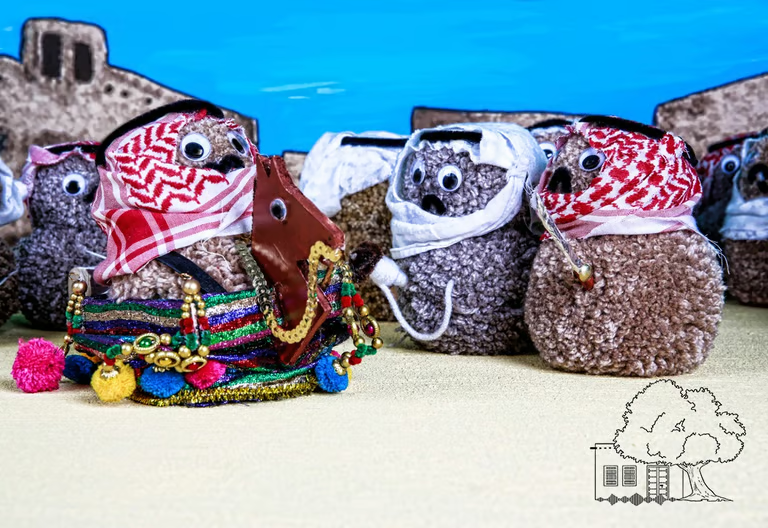
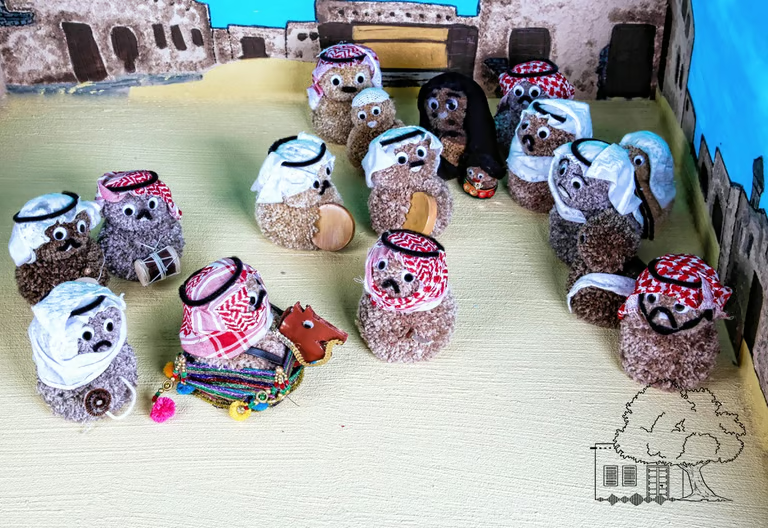
Al-Furaysah, meaning the diminutive of a mare, is a well-known and distinctive dance performed by a group of men. A doll shaped like a horse is made, covered with decorated fabrics and adorned with jewelry. A dancer wears it around his neck, being inside it, usually positioned in the middle of the group. He performs the dance to the rhythms of drums and tambourines. This dance is performed during national and religious celebrations. The horse doll sways right, left, forward, and backward, as if avoiding attacks from two other men. One man carries a sword attempting to kill the rider, while an old man holding a spindle waits for the rider to die so he can seize the sword and horse. Singers encourage the rider to survive by playing drums and tambourines vigorously while singing.
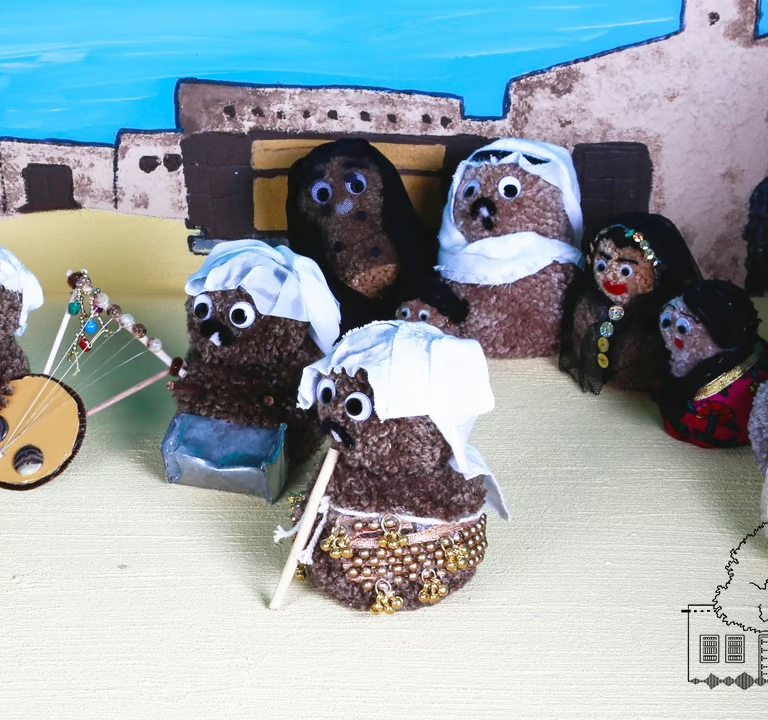
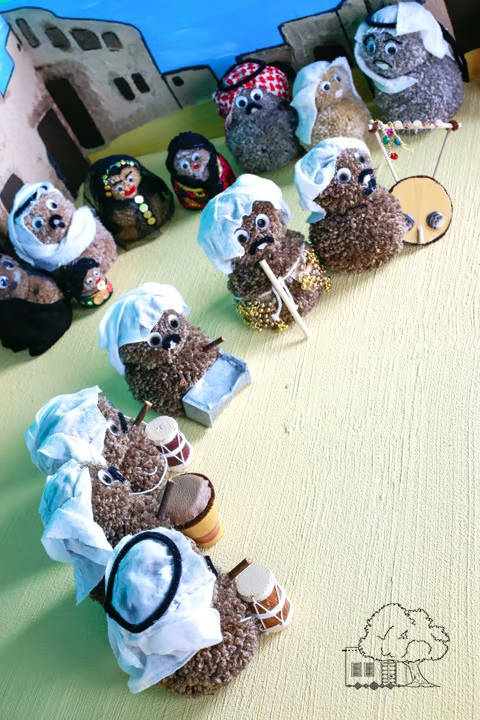
Al-Tanbura is an African dance brought to Kuwait by Omanis. It is based on a slow pentatonic rhythm. In old Kuwait, there was a group called (Al-Tanbura) that performed in the "Midan" area near Darwaza Abdulrazzaq. The dance is known for the performer who ties a rope around his waist, filled with goat hooves strung together, producing a rattling sound in harmony with the rhythm as he sways his hips side to side. The dancer also leans on a long stick.
A string instrument.
Made from goat hooves attached to burlap or cloth, tied around the waist of a performer. It produces a rattling sound that complements the Tanbura’s melody. Four drums accompany the performance, two on each side of the Tanbura player.
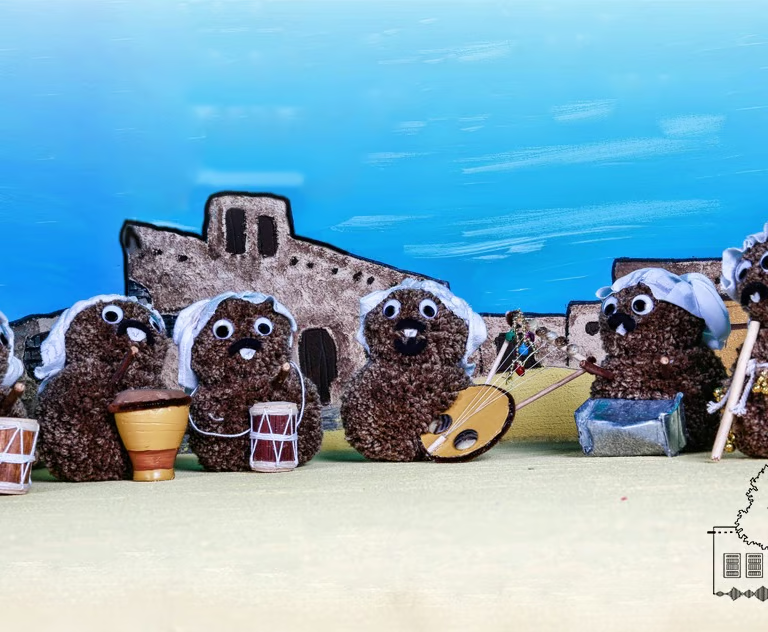
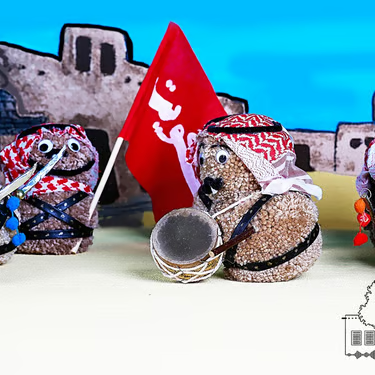
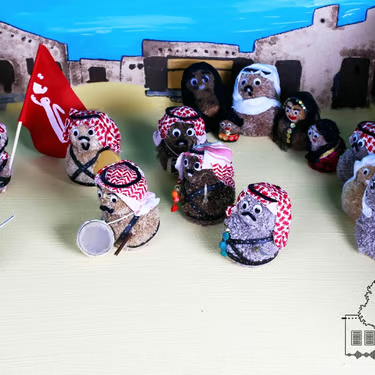
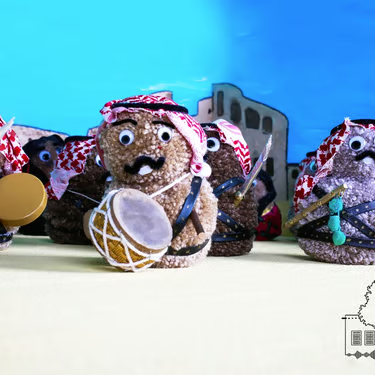
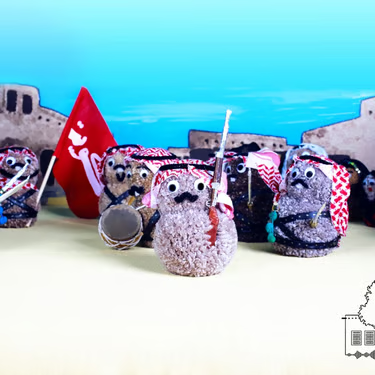
Al-Ardah is a traditional folk art widely practiced across the Arabian Peninsula. It is a collective performance combining singing and movement, involving a large group of men. Ardah is characterized by its enthusiastic and martial spirit, and is also known as (Al-Hidwah). The name is believed to be derived from "Al-Hidaa," meaning chanting to rally warriors. Ardah is performed especially during national festivals and celebrations. Even today, men carrying rifles and swords play a central role in Ardah, symbolizing passionate feelings toward the homeland and its defense.
One group carries drums, beating them rhythmically in harmony with the chanting rows. At the center stands the flag bearer. The dance usually involves raising swords and swaying right and left while stepping forward. Singers often stand in a single row, accompanied by different types of drums: large ones called "Takmeer drums" and smaller ones called "Tathleeth drums." Dancers wear a "Mahzam," a belt worn crosswise, which in the past was used to carry bullets for rifles. Ardah is known as a war dance, where men face each other in two opposing rows, holding swords or rifles. It is performed during national holidays and special occasions.
O homeland, we owe you loyalty, in hardship we seek no intercession
We keep our lineage strong in our hands, after times of famine
If not for God’s will, we would not march, nor drink from the enemy’s poison
Our Sheikh, we are the elders of battles, when fires fade, we ignite them
Do not heed the many whispers, rise when the enemy comes
Discipline the reckless, for he is not steadfast among the people
And so on...